
Automated drone battery swap, powered by IoT + BMS.
Built around endurance bottlenecks in agricultural spray drones, we shipped a drone energy operator an intelligent swap system combining IoT, smart energy storage, automated swap stations and BMS. When a drone hits low battery it can auto-return, auto-swap and auto-relaunch — cutting manual handling and keeping field operations continuous.
Drones reached the farm — endurance became the bottleneck.
The constraint was never flight capability. It was energy resupply.
On large-scale field operations the client kept hitting the same four problems. Together they framed the system challenge we set out to solve.
A battery flies briefly, then sits on the charger for ages
The legacy loop — return, detach, charge, wait — breaks operational continuity every cycle.
Manual swap is slow and carries safety risk
Repeated handling, high heat, unstable contacts and pilot fatigue accumulate into a hard ceiling on throughput.
No real-time view of each battery's health
Without SoC, temperature, cell health and cycle count, battery life and failure rates are not controllable.
The drone operations loop is incomplete
The client needed a full system — energy management, dispatch and automated operations — not another piece of hardware.
How a drone completes one automated swap
We broke the old "stop and charge" pattern into five automated stages.
Same operations chain. The left column is how it used to run manually; the right column is what the system does today.
Low battery
Return to base
Battery swap
Battery check
Relaunch
We didn't just build another charger.
We compared three resupply paths and chose intelligent automated swap.
Our test: does the energy system become part of the drone, or just one more piece of gear next to it?
Traditional manual charging
Manual swap with spare batteries
Intelligent automated swap system
A five-step pipeline built around energy dispatch
Five modules — from the drone to the mini program — close one energy loop.
The system decomposes into: drone, automated swap station, BMS, IoT data platform, and mini-program dispatch.
Drone auto-return on low battery
Continuously monitors battery, status and mission progress, then triggers return to the nearest swap station.
Swap station performs the swap
Auto-locate, identify the unit, remove the old battery, install a fresh one — no operator in the loop.
BMS for battery intelligence
Full-stack monitoring of voltage, temperature, current, SoC and SoH, with auto-balancing and health scoring.
IoT data platform sync
Drone, battery and station state stream to the cloud in real time, driving alerts and dispatch policy.
Unified mini-program dispatch
Operators check runtime, inventory and alarms in the mini program and push dispatch commands remotely.
Four layers, bottom-up energy coordination
Core design principles
- 01Continuous operation over single-flight enduranceThe goal isn't longer flights. It's no interruptions.
- 02Automation over manual workflowsAutomated swap removes operator effort and operator error.
- 03Batteries are assets, not consumablesBMS makes every battery trackable and manageable.
- 04System coordination over standalone devicesDrone + battery + IoT + platform + dispatch — every piece matters.
The mini program, running in production
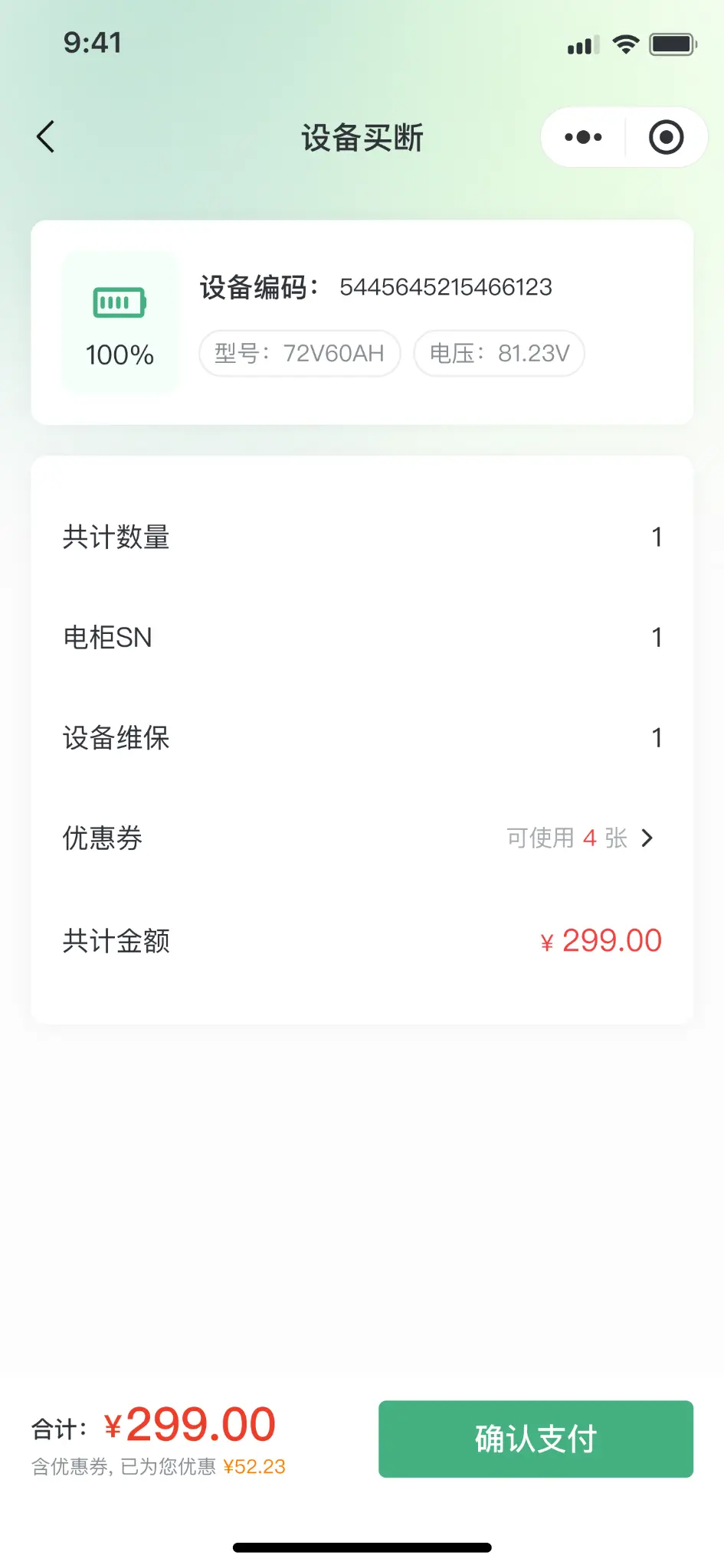
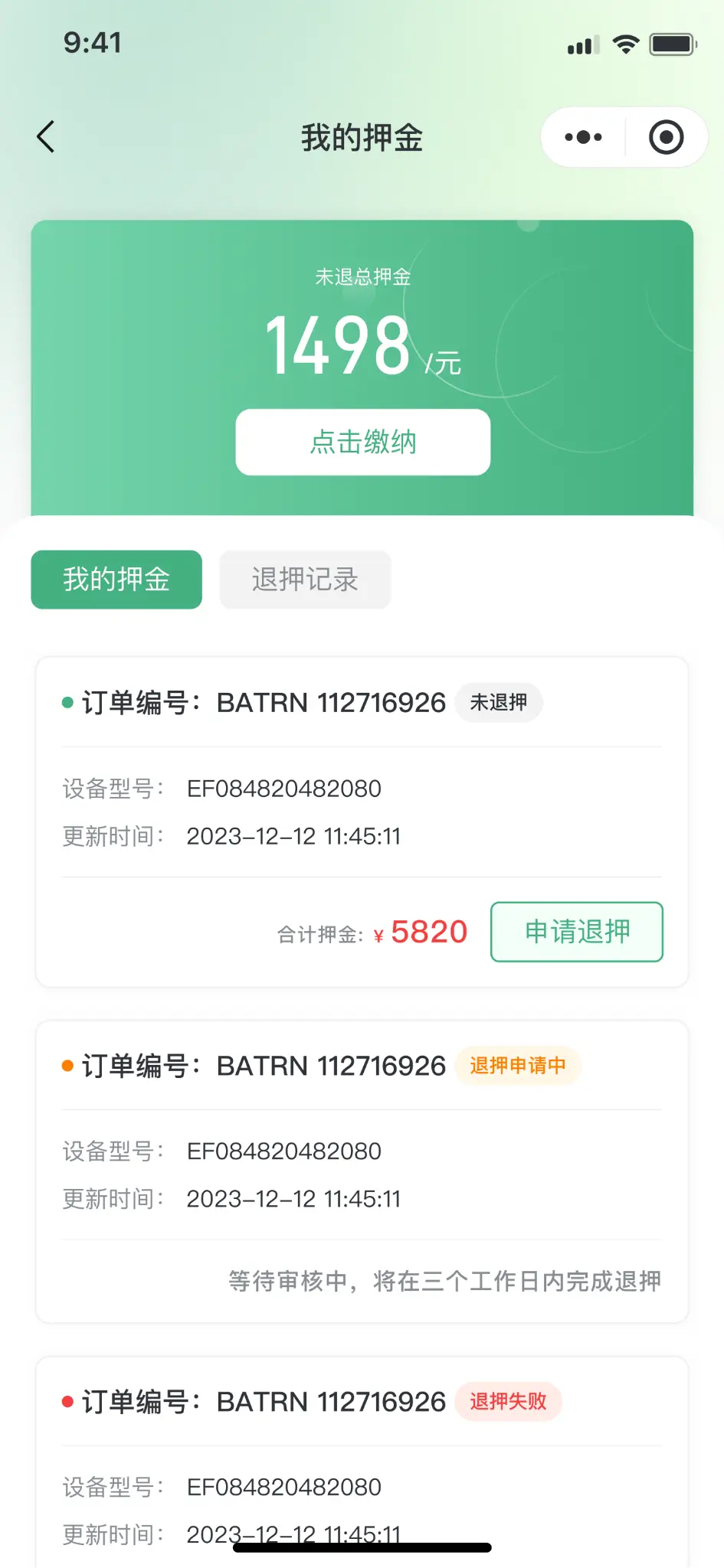
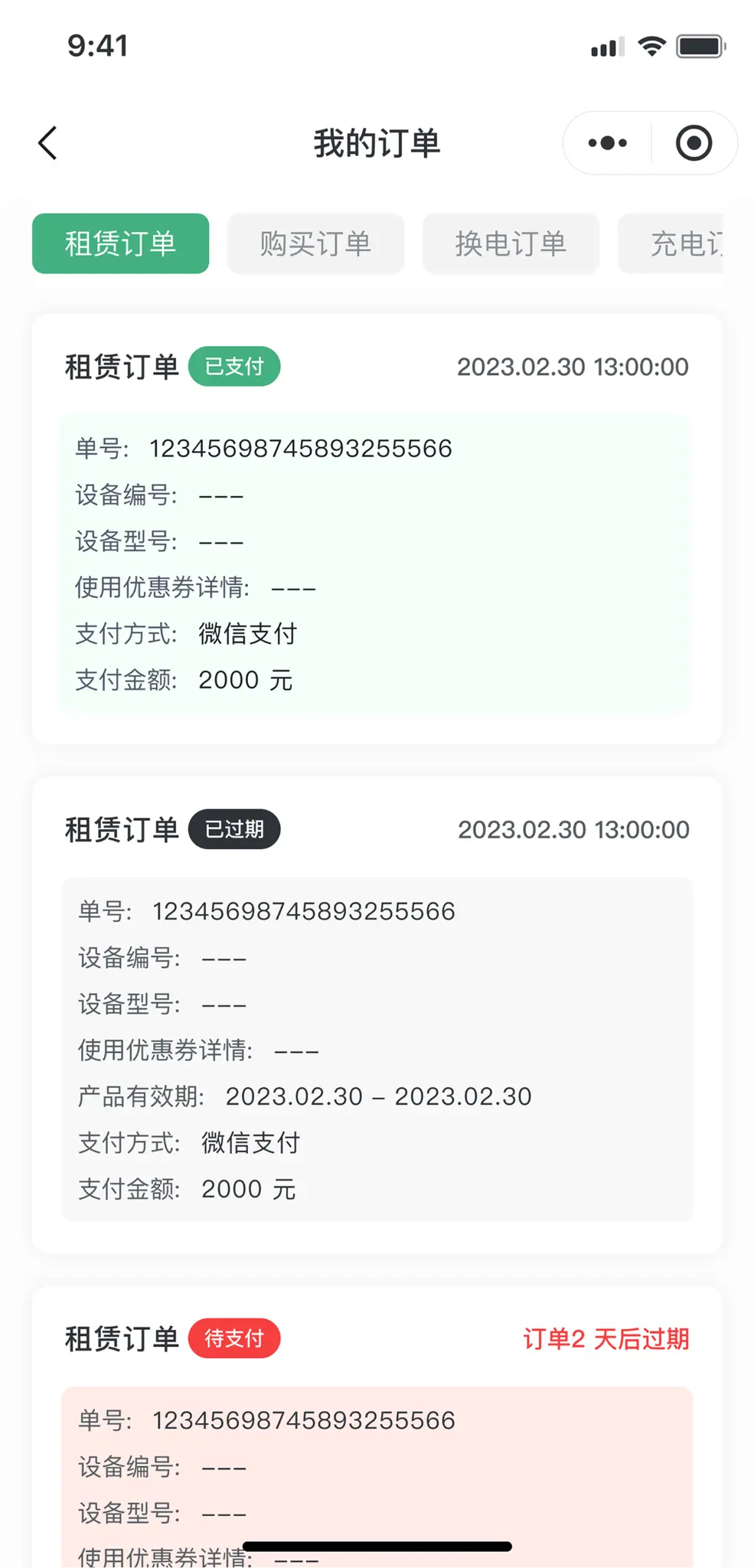
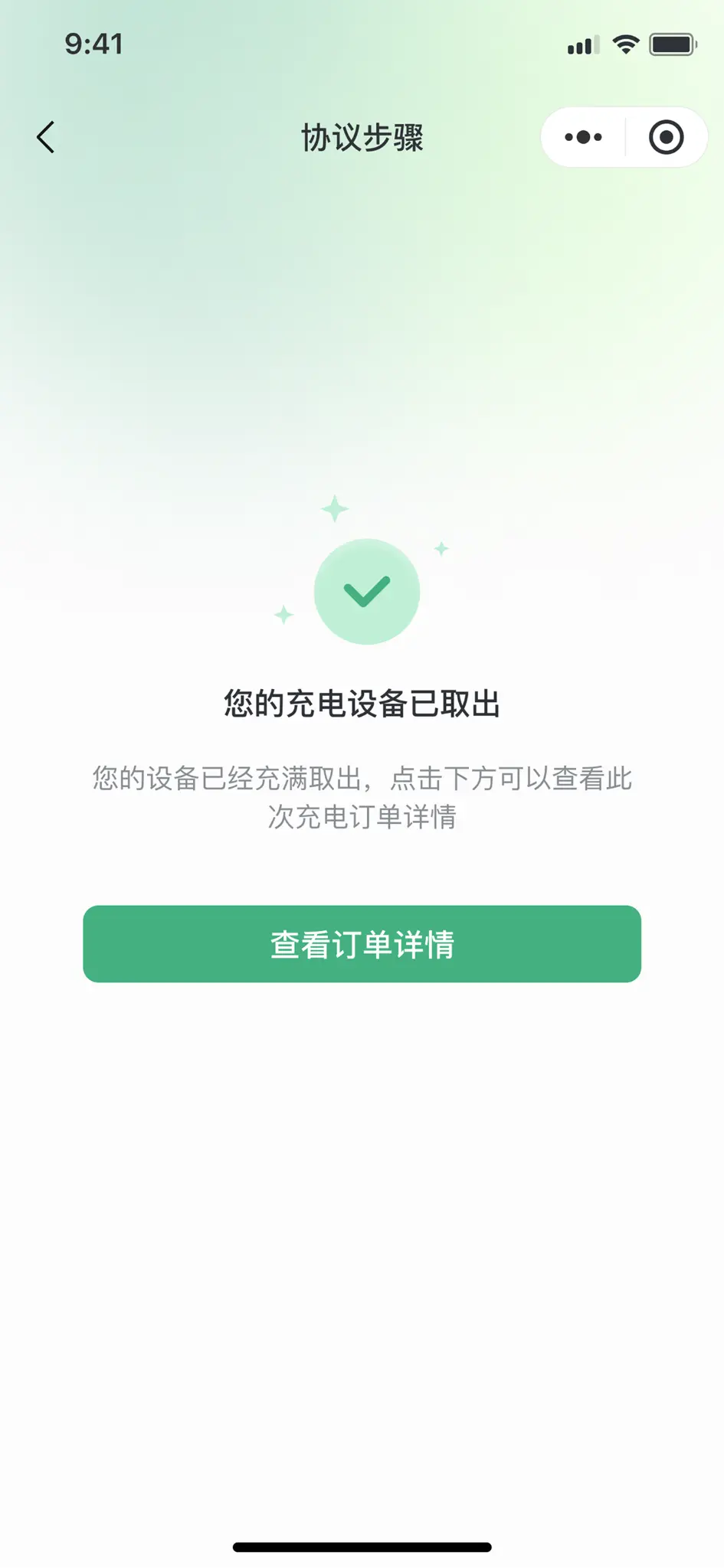
Payment, deposit, orders, swap, KYC, work orders — a complete business loop.
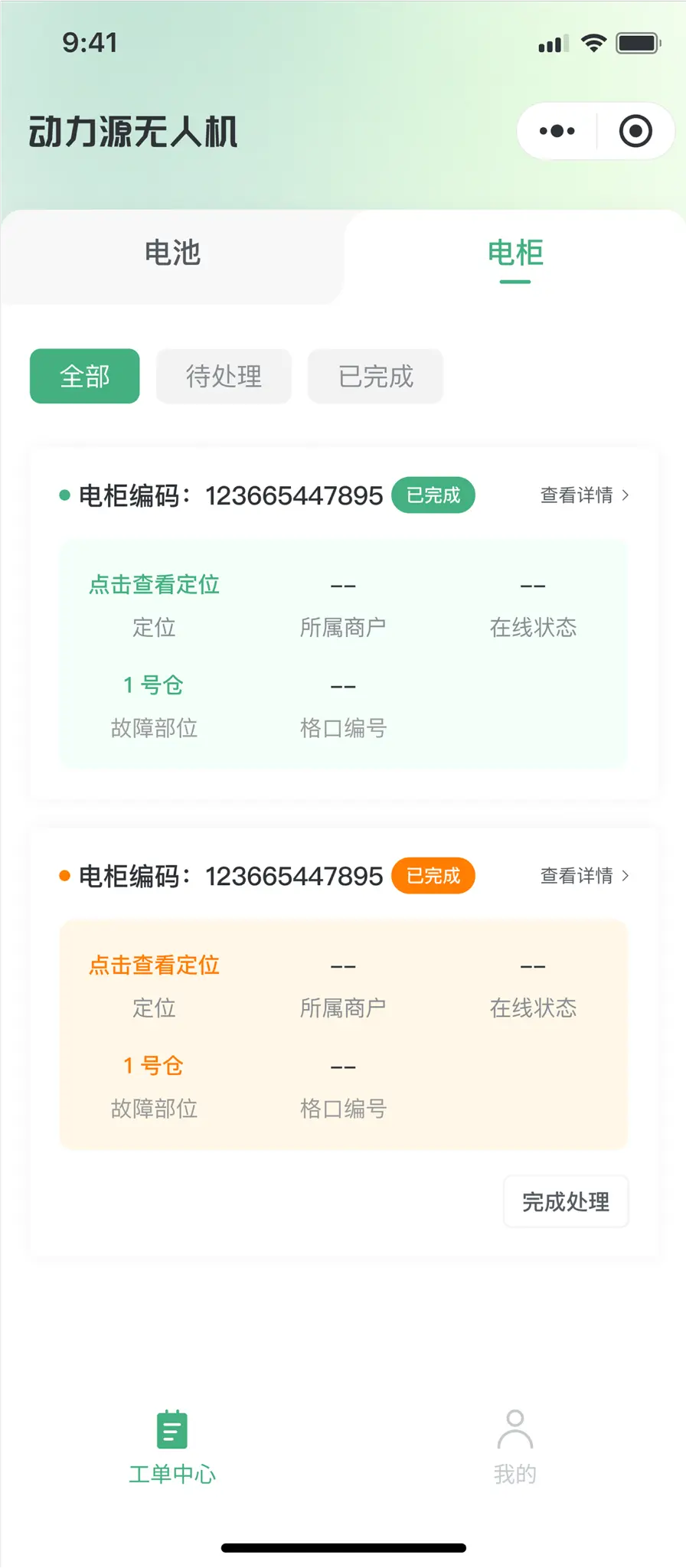
The screens below are captured from the live operations mini program. Each state maps to a real business flow.
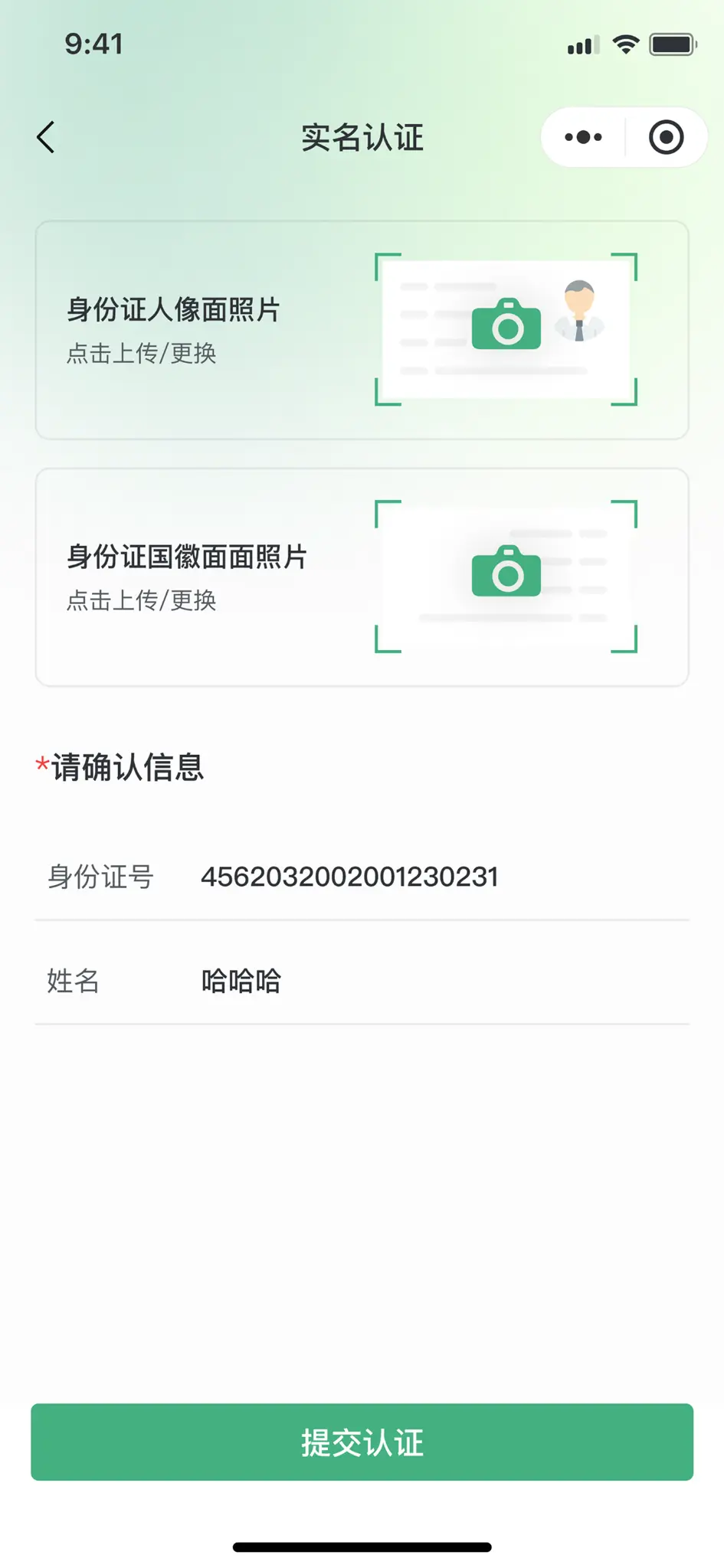
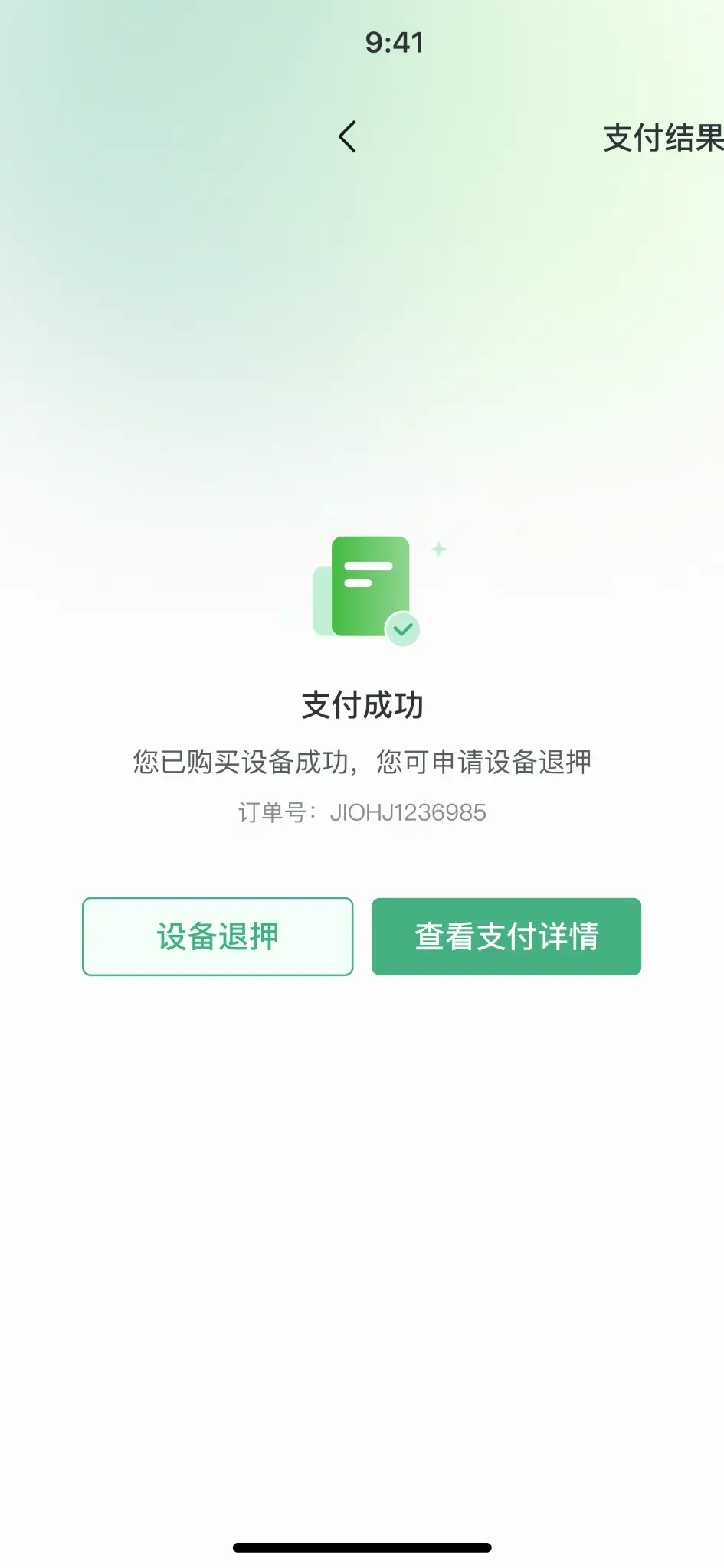
One mobile flow for battery and cabinet work orders
For both asset types — battery and cabinet — operators run intake → on-site work → close-out from a single panel, covering fault location, merchant, online state, slot ID and other key fields.
A single platform cockpit
Every device, battery and work order — on one panel.
Moving operations from "scattered control" to "one platform" is the key change this system delivers.
From "stop to charge" to "keep working"
Six dimensions show what changed after launch.
"Pilots used to dread the constant return-and-swap cycle. Now the system handles the swap and pilots focus on the actual job. On large fields the throughput gain is hard to miss."
Engineering highlights
Every battery, every swap and every device — visible by default.
Automated swap
Drone and station dock automatically — minimal operator involvement.
Smart BMS
Live status per battery improves safety and extends service life.
Live IoT sync
Devices, platform and mini program stay in sync in real time.
Greener energy use
Smart storage and swap together reduce energy waste.
The same swap architecture extends to more new-energy scenarios.
Starting from agricultural spray drones, energy dispatch reaches further.
Related cases
More case studies
Other projects delivered by Wavesteam — AI, IoT, platform builds and enterprise software.
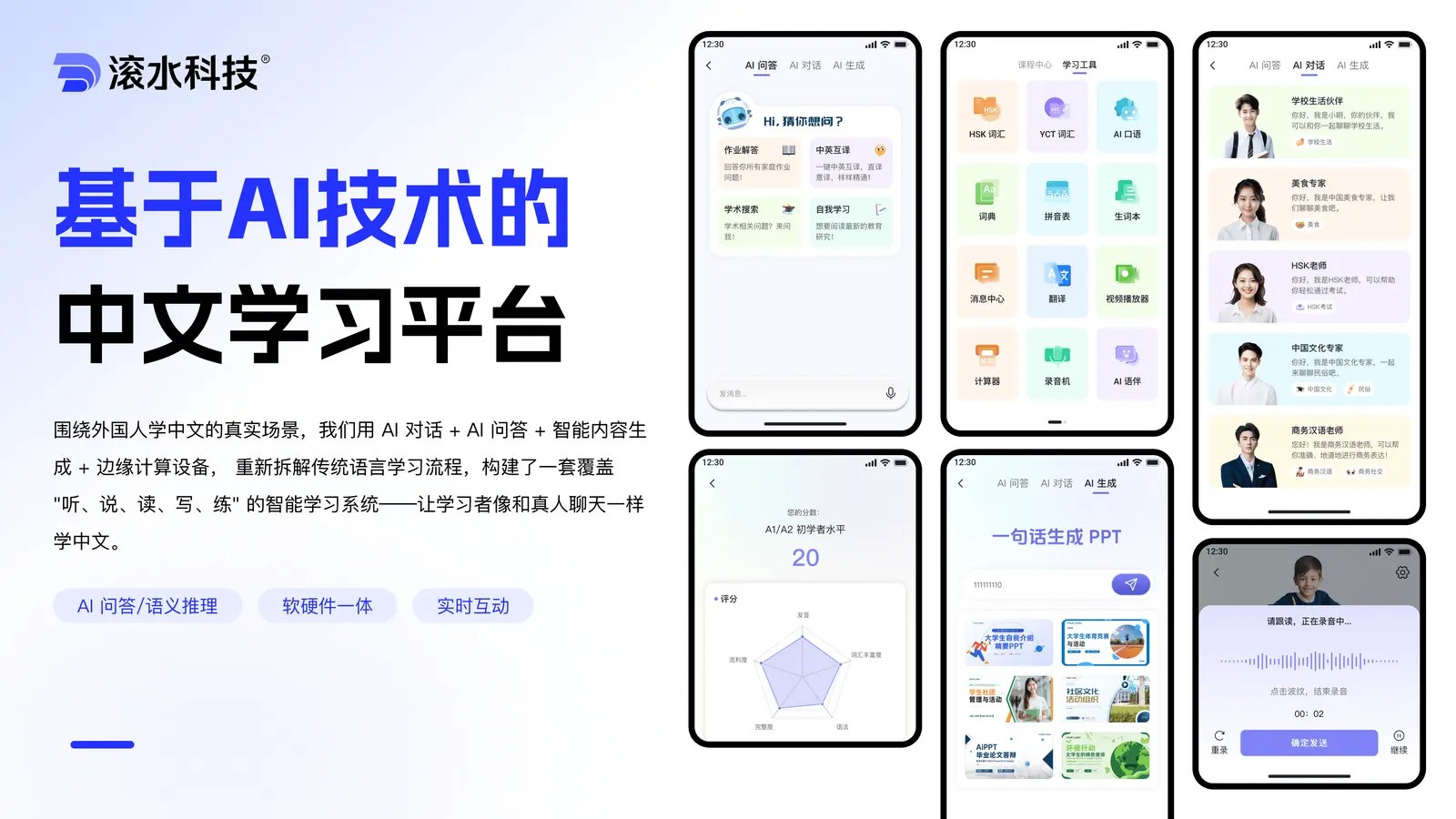
AI Chinese Learning System
A real-time AI conversation system for learners of Mandarin Chinese — combines LLM dialogue, smart content generation and edge inference hardware.
View case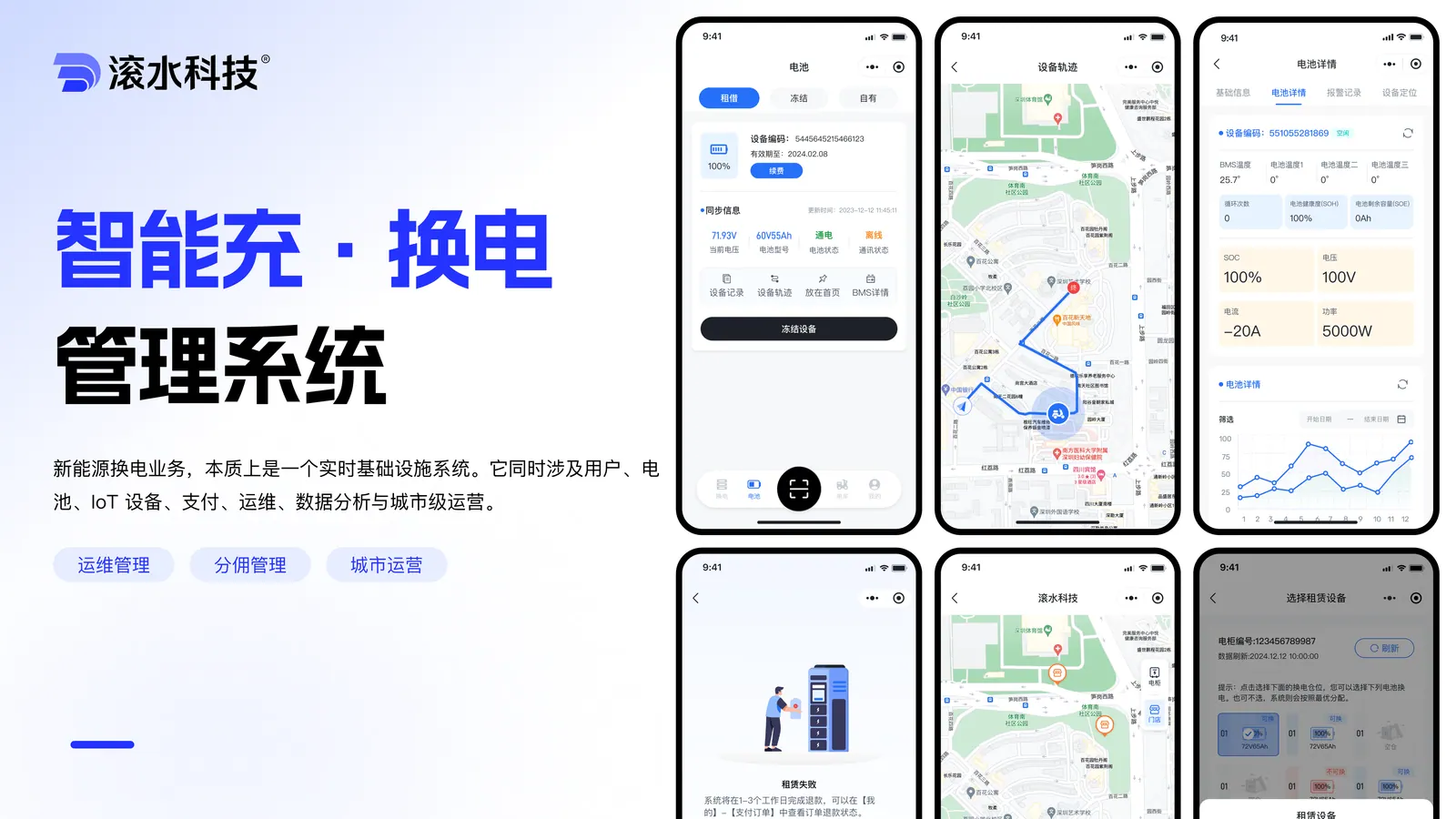
EV Charging & Battery Swap Platform
A new-energy charging and swap platform that spans the device network, driver journey and operations command center.
View case
Smart Community Management
An operations platform for residential and online communities — group management, member workflows and dashboard visualization in one place.
View case
If you're staring at a concreteengineering problem, we can skip the small talk and start from scope, integrations and milestones.
These projects usually involve business systems, device integration, AI workflows or multi-role back-offices. We assess feasibility against real delivery constraints and give recommendations close to the implementation stage.