Stop babysitting groups.
Hand it to purpose-built bots
We built a complete community operations pipeline for a fast-growing social platform — OAuth security layer, high-concurrency engine, three purpose-built bots and a real-time data loop. Tagging tens of thousands of users dropped from hours to sub-second, and one platform plus three bots now runs groups of tens of thousands.
What the client was actually dealing with
The client runs a fast-growing social community platform — hundreds of active group chats and tens of thousands of users. As the community scaled, manual group babysitting hit its ceiling fast: ops were drowning in chores, and user growth turned into a management disaster rather than economies of scale.
"Ten groups is already too many to manage by hand"
Admins juggle hundreds of group chats — join requests, content moderation, event coordination. Past ten groups, manual ops hits the wall; past a hundred, missed messages, missed requests and missed notifications become the norm.
"Spikes crash the workflow and prizes get dropped"
Admins manually collect entries, hand-pick winners, verify identities, and distribute prizes one by one. Once participation tops a thousand, you get tally errors, duplicate winners and undelivered prizes.
"Tagging tens of thousands by hand is a needle in a haystack"
Ops needs to segment tens of thousands of users and target them differently. Excel filtering, tagging and bulk pushes take hours per round, and bulk management is nearly impossible on mobile.
"App and backend drift apart — and security drifts with them"
The app, backend and third-party tools have no shared identity layer or data sync. Admins switch contexts constantly to cross-check, and every handoff is a leak waiting to happen.
One anniversary campaign, end to end
A real anniversary campaign from the client (anonymized). We show the full path from kickoff to prize fulfillment on one screen so you can see exactly what the platform does.
50 group chats · 5,000 expected participants · anniversary draw
Three days to prep Excel templates → 3 admins on rotating screens → 2 days of cross-checking winners, group-by-group notifications and manual logging → traffic spike caused 1 backend crash and 200+ duplicate entries lost
30 minutes to configure rules → LuckyDraw Bot listens across 50 groups → instant peak 8,000+ concurrent messages with zero drops → TagBot auto-applies the "anniversary active" tag → Butler Bot pushes winners and prize links across groups → mobile cockpit tracks progress live, and the 10-minute post-event report is ready
"We used to spend a week prepping a campaign and three days cleaning up after it.The bots handle the grunt work now, so the ops team can actually design more interesting events instead of acting as human support."
We don't pick a technical path on day one
We evaluated three candidate paths against the same baseline using the client's real numbers — 300+ groups, 20,000 active users, ~10 campaigns a month — then designed a hybrid where each path does what it does best.
- Strong on judgment calls and interpersonal disputes
- Flexible — handles non-standard requests
- Headcount cost scales linearly with groups
- Falls over under high concurrency
- Data scattered across Excel/WeChat/backend — nothing accumulates
- Plug-and-play with rich templates
- Mature for lightweight communities, low upfront cost
- Fixed feature set — can't integrate with the client's app
- Concurrency tops out under 1,000 QPS, messages drop
- Data security depends on a third party
- Three purpose-built bots own draws, tagging and admin tasks
- Architecture sustains 10,000+ QPS
- OAuth 2.0 end-to-end encryption, data stays with the client
- Tens of thousands of users grouped in seconds on mobile
- Butler Bot batch-operates across groups — one admin, hundreds of groups
- Requires deeper app integration and load tuning upfront
- Emotionally charged conversations still need humans
An explainable, fault-tolerant, evolvable community pipeline
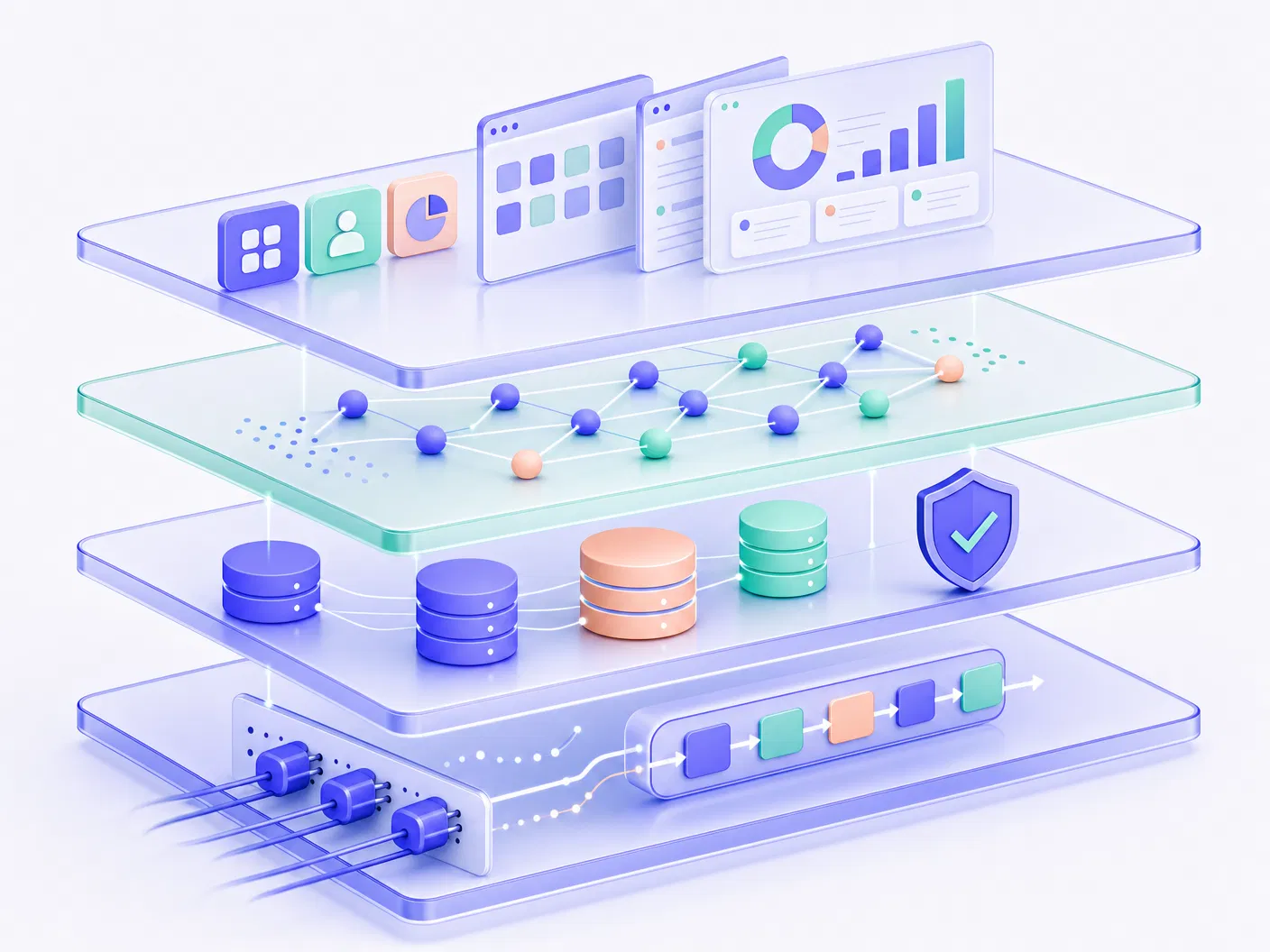
We treat AI engineering as a pipeline, not a black box: every step has clear ownership, clear I/O and a clear fallback. Five steps, four-layer architecture.
OAuth 2.0 across the app, backend and bot services. One login covers every surface, admin permissions are fine-grained, and every action is encrypted and audit-logged.
For draws, red-packet grabs and timed sign-ups, we use message-queue smoothing, async processing and distributed locks to keep the system steady at tens of thousands of QPS.
TagBot computes user profiles and tier tags from behavior — messages, event participation, spend, tenure. Ops handles bulk tagging and group adjustments from mobile via grouping and search.
Butler Bot batches across groups via tight app-side integration: one-tap push to multiple groups, automated join/kick handling, bulk winner and prize sync, and aggregated multi-group operations data.
Every bot action, user event and system signal lands in the data layer in real time: group heatmaps, user tiers, campaign concurrency curves, prize tracking and anomaly alerts.
Four-layer skeleton so capability can evolve
Application, algorithm, data and access layers — each with clear boundaries and swappable implementations. The system can move from v2.1 to vN without a rewrite.
Three bots, one pipeline
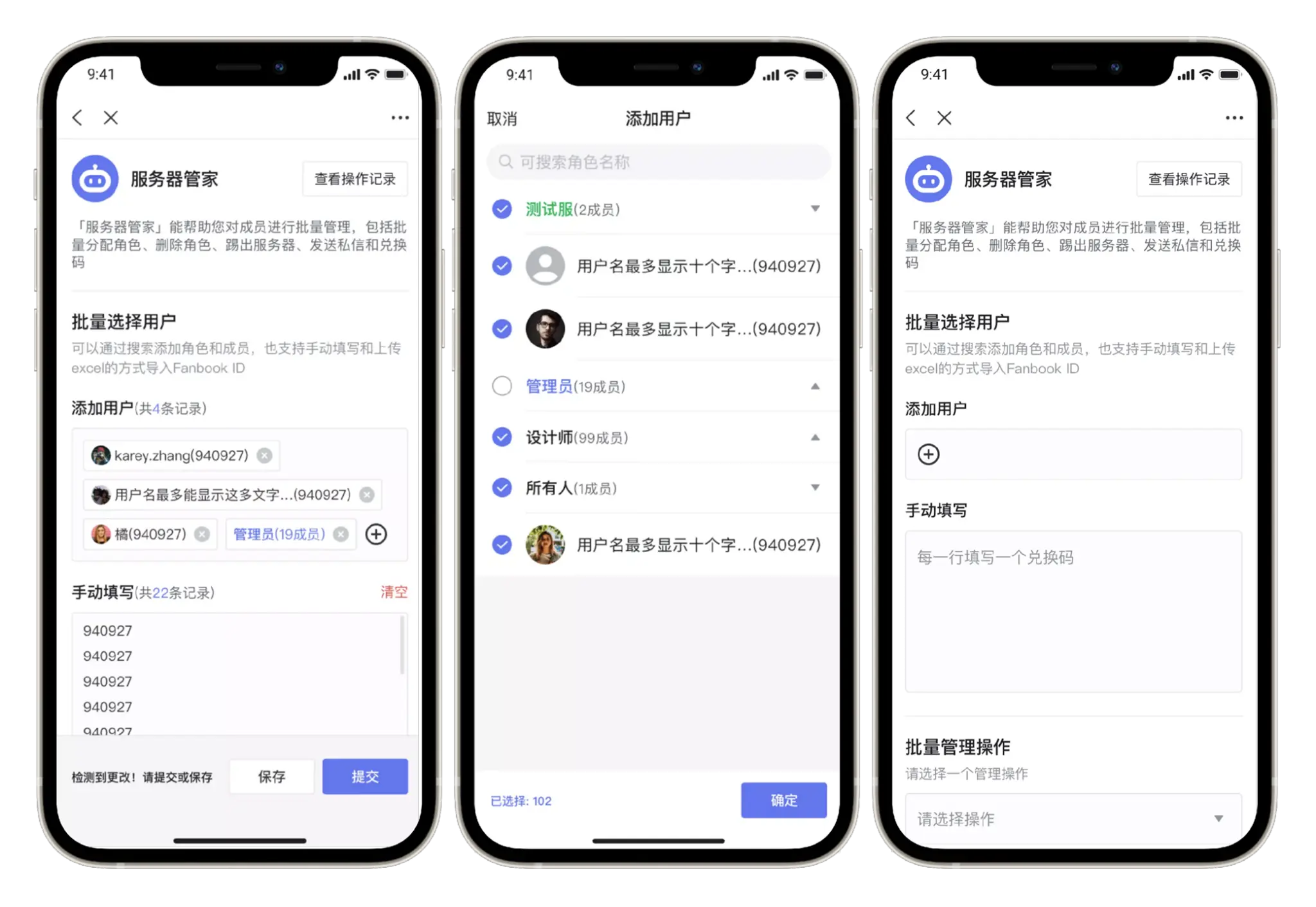
Three purpose-built bots own draws, tagging and admin work, and coordinate through a shared Bot Hub. Below are screenshots from the live product.
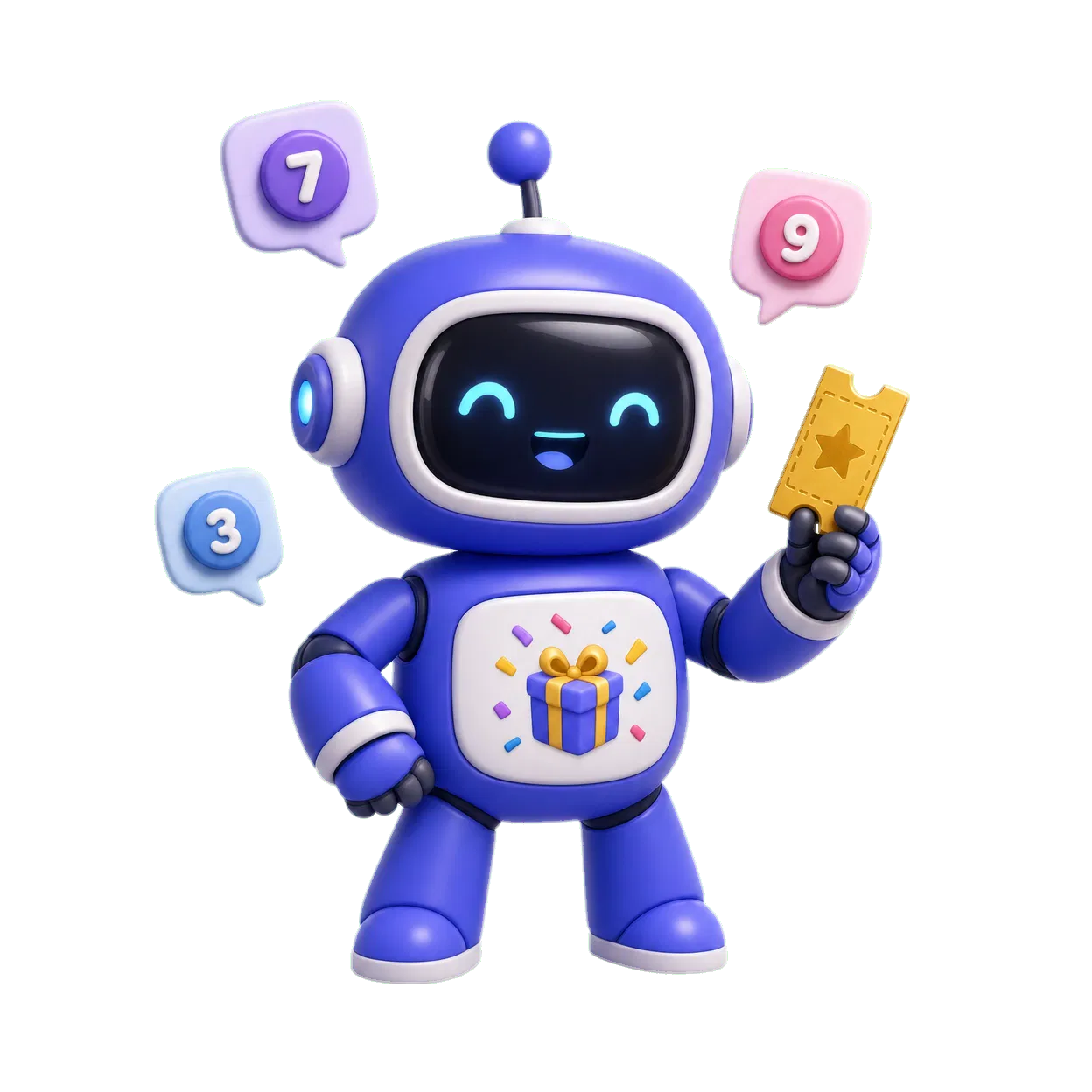
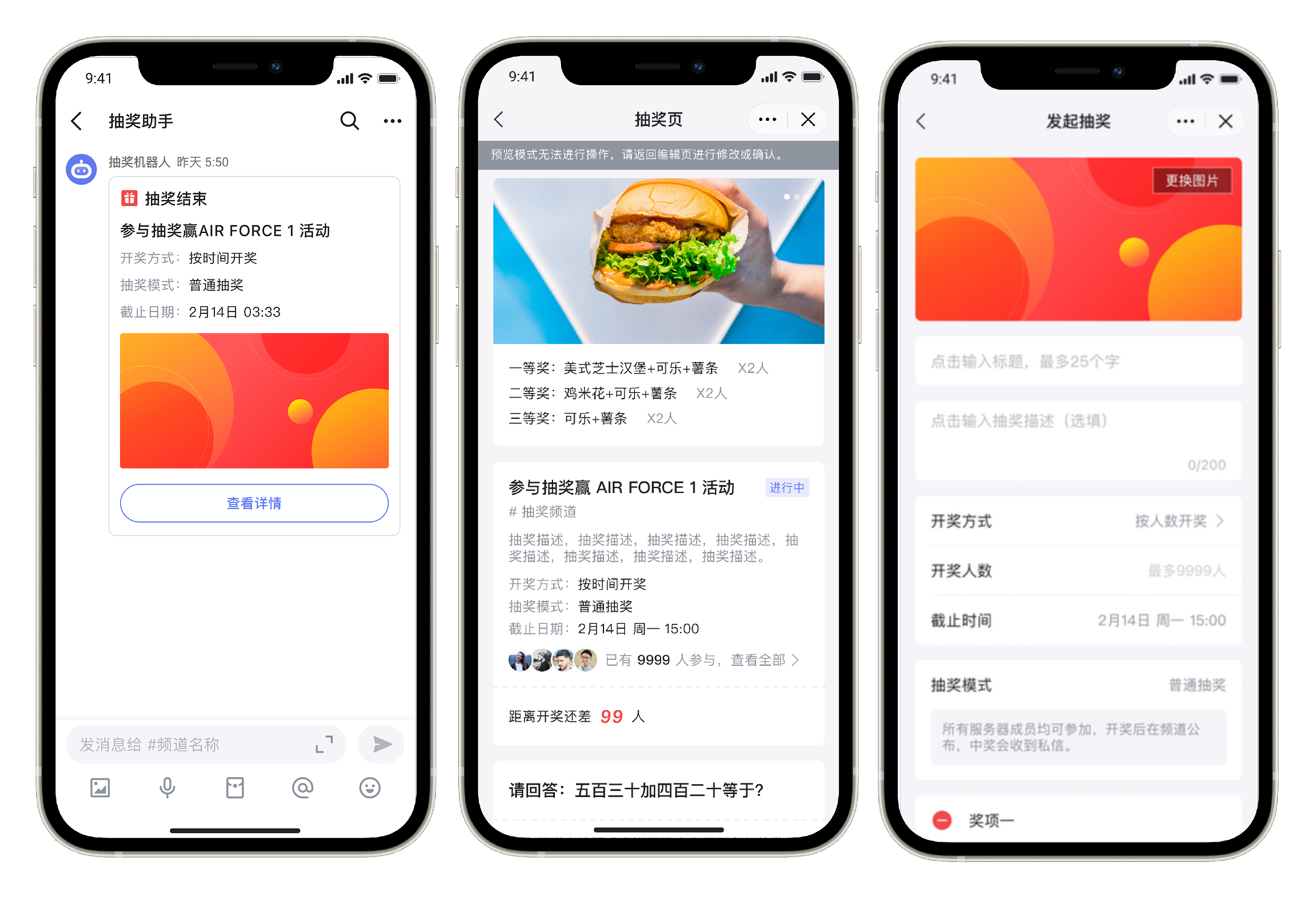
Listens to tens of thousands of group messages in real time, publishes results in seconds, logs winners automatically.
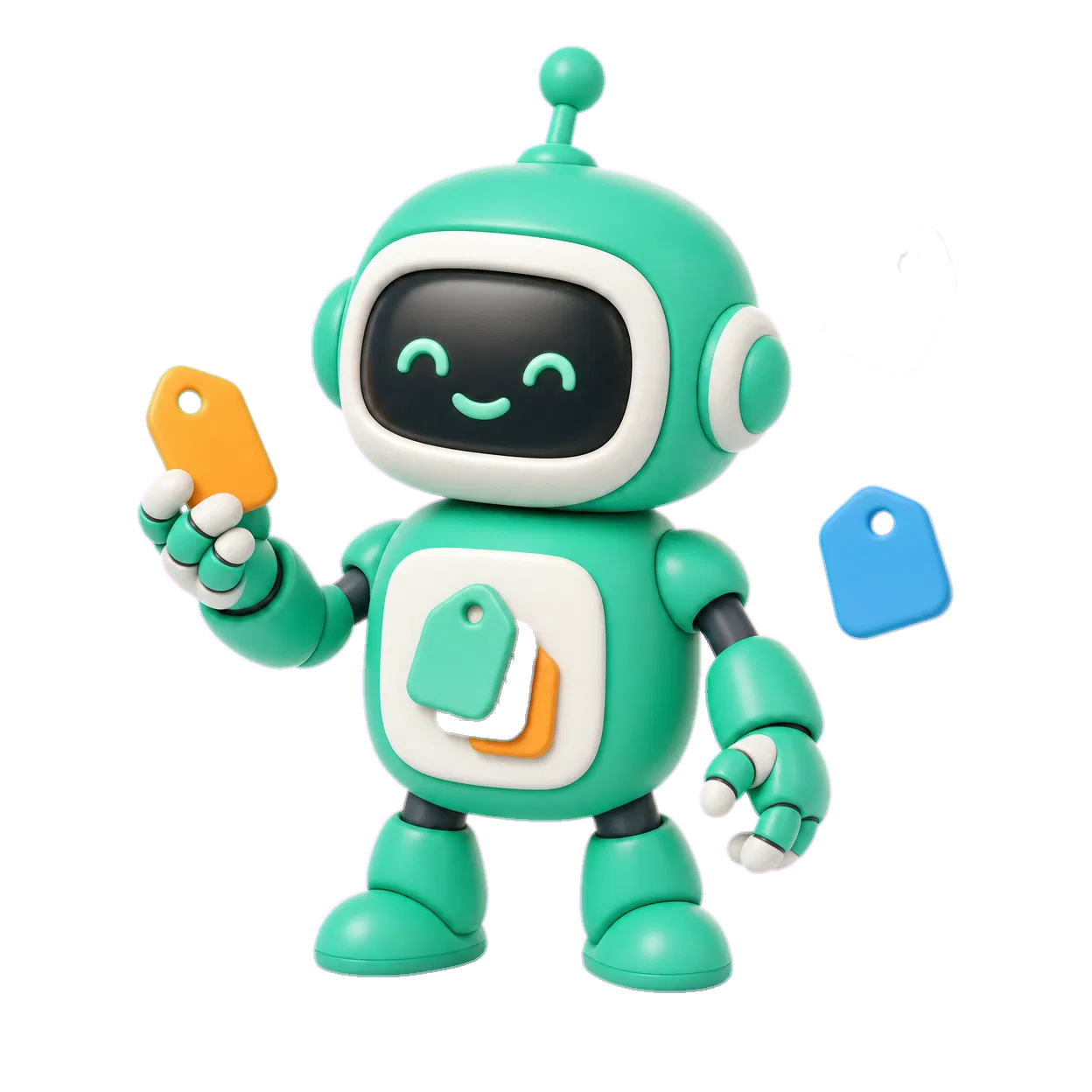
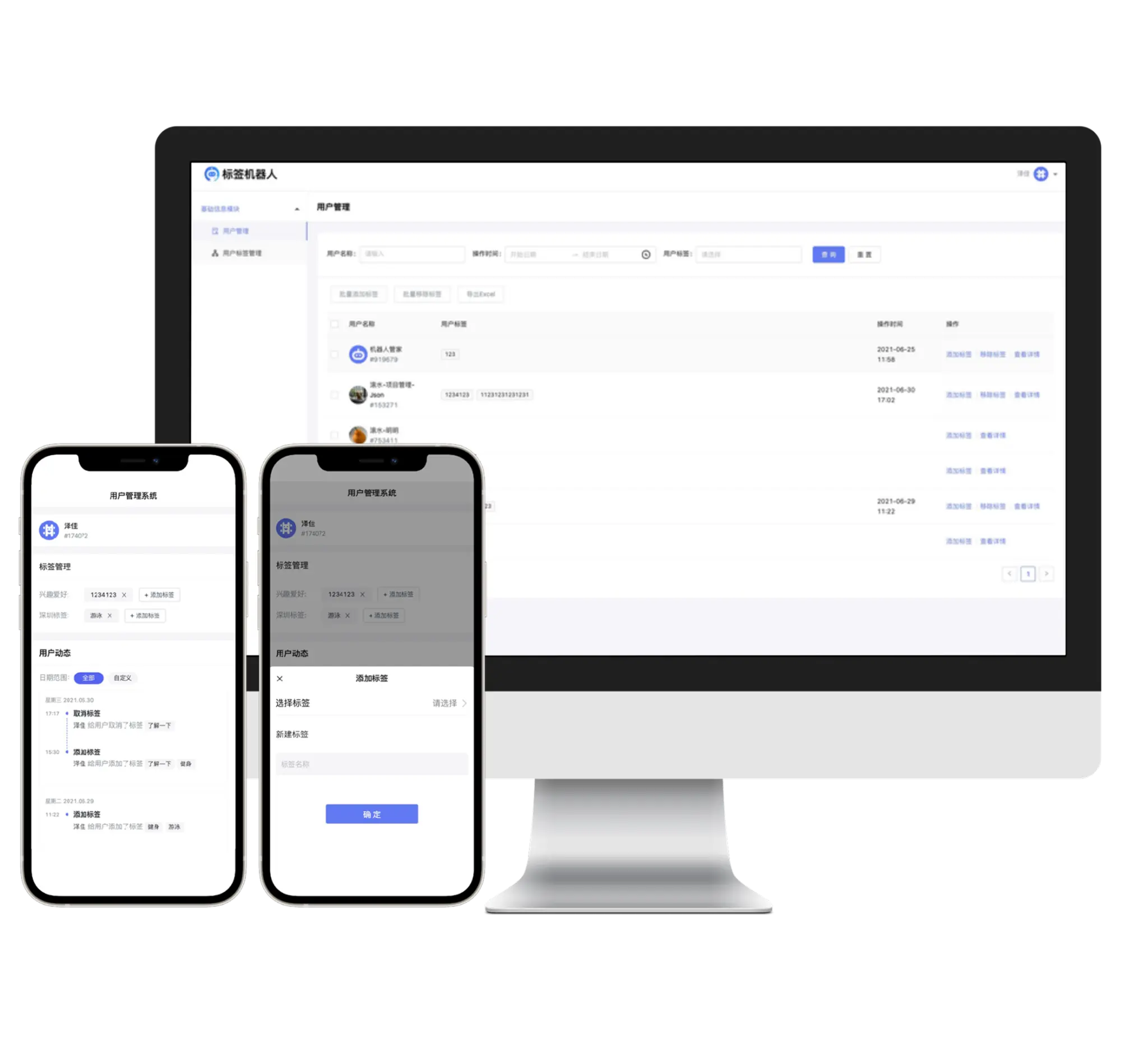
Groups tens of thousands of users in seconds. Tag and re-target in bulk from mobile or web.
Cross-group bulk operations: role assignment, kicks, DMs, redemption code distribution.
Three bots, one Bot Hub
The bots share one identity layer, permission model and data bus, but specialize: one handles instant spikes, one handles precise segmentation, one handles cross-group scale.
See the full bot capability mapReal-time data loop · operations cockpit
Every bot action, user event and system signal lands in the data layer in real time. The cockpit surfaces group activity heatmaps, user tier shares, campaign concurrency curves, fulfillment tracking and anomaly alerts.
- VIP core8%
- Active27%
- Regular48%
- New12%
- Dormant5%
- LuckyDrawAnniversary draw complete · 5,200 entries12s ago
- TagBotTagged 8,400 users as anniversary active1m ago
- ButlerWinner notification pushed to 50 groups · 96% read2m ago
- OAuthNew session issued · admin #2183m ago
- ButlerBulk-issued 200 redemption codes5m ago
Replace unpredictable manual ops with measurable bot-managed ops
Side-by-side key metrics from the same community at the same scale, plus what the client actually said — the most direct evidence this approach solved the problem.
"A campaign across 50 groups used to take a week of prep and three days of cleanup.The bots handle the grunt work now, so our ops team can actually design more interesting events. What I trust most is the OAuth layer — we know user data is safe instead of scattered across third-party tools."
Delivered 2 weeks ahead
- 2025.11.05Requirements aligned
- 2025.12.10Architecture design + OAuth layer
- 2026.01.20All three bot modules built
- 2026.02.15High-concurrency load testing passed
- 2026.02.28UAT passed
- 2026.03.10Full rollout · 2 weeks ahead
The same blueprint solves a class of problems
OAuth security baseline + high-concurrency engine + purpose-built bots + real-time data loop — any scenario that needs large-scale community ops and automated management can be ported onto this skeleton quickly.
Core design principles
From idea to production,
we help you ship AI
Wavesteam ships enterprise AI software. We start from real business scenarios and run the full path from requirements to delivery on a software-engineering foundation.Production-ready AI software solutions for enterprises.